
Which Water Purifier to Buy in Nepal 2026: RO, UV, UF or Gravity Filter
Short answer: Which water purifier to buy in Nepal depends on your water, not the brand. Low-TDS tap water (under about 500 ppm) needs UV or UF, not RO. Boring, tanker or Terai tube-well water with high TDS or arsenic needs RO plus UV. Test your TDS first. Our in-stock purifiers cost Rs 4,800 to Rs 34,000.
Shop at Quality Computer
Water purifiers and filters View all →
RO, UV, UF or gravity: what each one removes
Most water purifiers sold in Nepal use one or more of four methods. They are not interchangeable. Each one deals with a different problem, which is why labels like "RO + UV + UF" are so common.
| Type | How it works | What it deals with | What it doesn't do | Needs power? |
|---|---|---|---|---|
| RO (reverse osmosis) | A pump pushes water through a very fine membrane | Parasites, bacteria and viruses, plus dissolved salts. The US EPA says RO can potentially remove lead, PFAS and arsenic | Sends some water down the drain; high iron or manganese can foul it without a pre-filter | Yes |
| UV (ultraviolet) | A UV lamp shines on the water | Kills parasites, bacteria and viruses in clear water | Doesn't lower TDS or remove iron or arsenic; works badly in cloudy water | Yes |
| UF (ultrafiltration) | A hollow-fibre membrane; Kent's has 0.1 micron pores | Bacteria and cysts | Doesn't lower TDS | Not in gravity models |
| Gravity filter | Water drips from a top tank through a cartridge into a bottom tank | Depends on the cartridge: UF models catch bacteria and cysts | Doesn't lower TDS; only for low-TDS water | No |
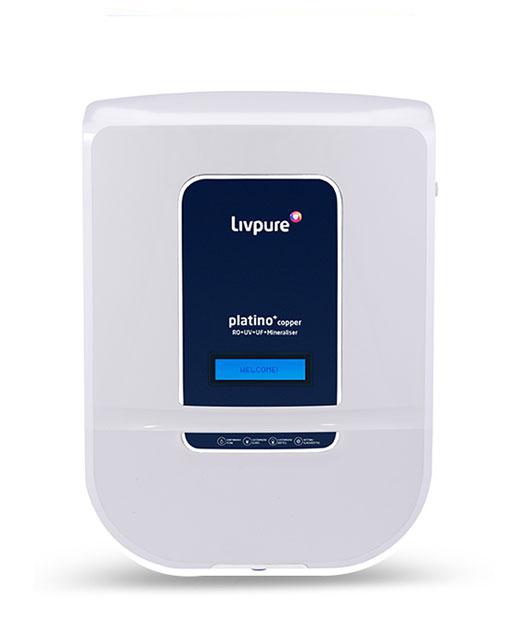
The better RO purifiers add UV as a second line of defence, sometimes inside the storage tank itself, as on the Livpure Platino Plus Copper. Buy RO only if your water needs it. It is the only one of the four that lowers TDS, but it is also the only one that wastes water.
What is TDS, and when do you need RO?
TDS (total dissolved solids) is the amount of minerals and salts dissolved in water. Health Canada lists the main ones as calcium, magnesium, sodium and potassium, with carbonate, bicarbonate, chloride and sulphate. It is given in mg/L, the same number a TDS meter shows as ppm.
The WHO sets no health-based limit for TDS. Its concern is taste, and it rates water like this:
| TDS (mg/L or ppm) | WHO taste rating |
|---|---|
| Under 300 | Excellent |
| 300 to 600 | Good |
| 600 to 900 | Fair |
| 900 to 1,200 | Poor |
| Over 1,200 | Unacceptable |
Nepal's drinking water standard allows up to 1,000 mg/L. The WHO also notes that water with extremely low TDS can taste flat, which is why RO purifiers often add a mineraliser.
How to check your TDS
- Use a pen-style TDS meter. It reads electrical conductivity and converts it to TDS, which Health Canada says is the most common way TDS is measured.
- Test the water you will feed the purifier: the tap, the boring line or the roof tank, not bottled water.
- Know what it can't tell you. A TDS reading shows nothing about germs, and arsenic at Nepal's limit (0.05 mg/L) is far too little to move the number. For a boring or tube well, get a lab test for arsenic, iron and coliform bacteria.
When do you need RO?
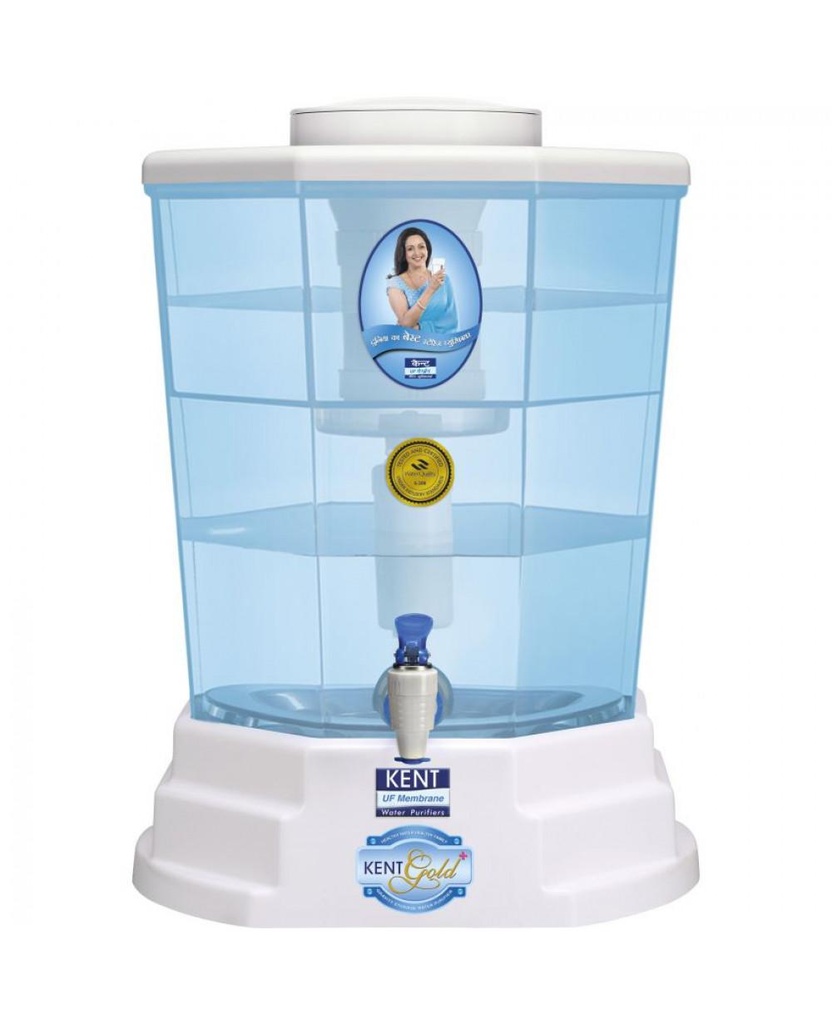
- Under about 500 ppm, from a treated city supply: UV or UF is enough. Livpure rates its Touch UV purifier for water from 1 to 500 ppm (our listing), and Kent says the Gold Plus UF suits low-TDS tap or municipal water.
- Over 500 ppm, or hard boring water: buy RO. That is above the range UV purifiers like the Touch UV are rated for, and Kent says the Gold Plus is not for borewell or hard water.
- Arsenic above the WHO's 0.01 mg/L guideline, at any TDS: buy RO. Of these four types it is the only one that reduces arsenic. The US EPA says RO can "potentially" remove it, so have the purified water tested too.
Nepal's tap, boring, tanker and tube-well water
These are the limits in Nepal's 2005 National Drinking Water Quality Standards. Recent Nepali studies that cite the 2022 update give the same limits for arsenic (0.05 mg/L) and iron (0.3 mg/L). A figure in brackets is allowed only where no other source is available.
| What is tested | Nepal's limit |
|---|---|
| TDS | 1,000 mg/L |
| Total hardness | 500 mg/L |
| Iron | 0.3 mg/L (3) |
| Arsenic | 0.05 mg/L |
| Ammonia | 1.5 mg/L |
| Copper | 1 mg/L |
| E. coli | 0 in 100 ml |
The WHO's guideline for arsenic is stricter: 10 micrograms per litre, or 0.01 mg/L. Here is what Nepali studies and reports have found in each kind of supply.
City tap water (KUKL and municipal supplies)
A common problem with piped water is germs that get in after treatment. After a cholera outbreak in 2024, Lalitpur's Health Office found faecal coliform in 7 of 12 drinking water samples collected around the district; the report doesn't say which sources they came from. KUKL asked people to boil water, saying it can be contaminated by the time it reaches household taps.
What to buy: a UV or UV + UF purifier suits most piped supplies. Check the TDS before you pay for RO.
Boring, jar and tanker water
A study in the Tribhuvan University Journal of Microbiology, covering treated water in the Kathmandu Valley from 2017 to 2018, found total coliform above the standard in 77% of tanker samples and over 92% of jar samples. Iron was above the limit in 15% of tanker samples, and ammonia in 35%.
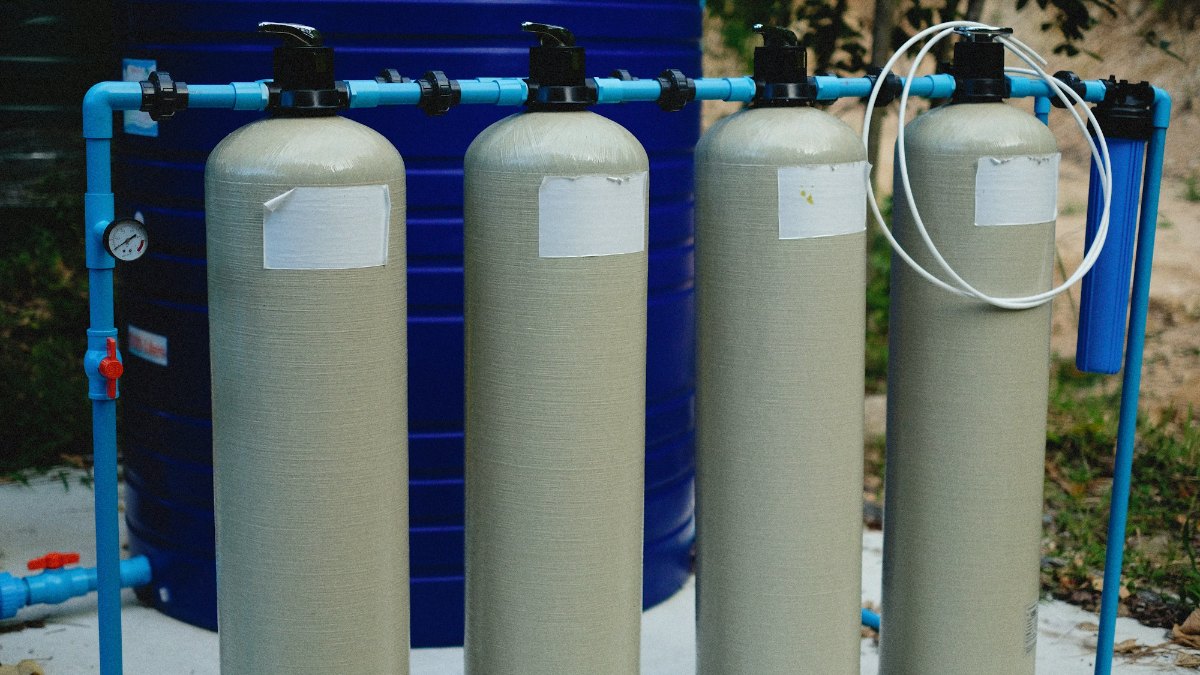
What to buy: RO + UV with a good sediment pre-filter. Nova Scotia's environment department notes that water high in iron or manganese may need extra treatment before an RO unit, so very muddy or rusty water needs its own filter first.
Terai tube wells: arsenic and iron
By June 2008, blanket testing overseen by Nepal's National Arsenic Steering Committee had covered about 1.14 million Terai tube wells. According to a 2009 Nepal Health Research Council report, 5.6% had 10 to 50 ppb of arsenic, above the WHO's 10 ppb guideline, and another 1.8% were above Nepal's 50 ppb limit. Districts varied widely: earlier surveys summarised in a 2014 study found the share of contaminated wells ranged from 2.1% in Rupandehi to 25.7% in Nawalparasi. The WHO links long-term arsenic exposure to skin lesions and to skin, bladder and lung cancer.
Iron is a known problem in parts of Jhapa. In 2019, The Kathmandu Post reported that groundwater in Kankai Municipality's wards 1 and 2, drawn from tube wells 25 to 35 feet deep, had iron above 8 against a limit of 0.3 (the report gives no unit, and the tests had been done about five years earlier). Residents said the water still smelled after boiling.
In Dhangadhi, a 2025 study of 50 groundwater samples found iron as high as 9.86 mg/L in one shallow source (the paper's abstract gives 9.68), against Nepal's 0.3 mg/L limit.
What to buy: test for arsenic first. If it's there, buy RO + UV. For iron-heavy water, add an iron or sediment filter in front so the RO membrane lasts.
| Your water | Main risk | What to buy |
|---|---|---|
| KUKL or municipal tap, low TDS | Germs after treatment | UV, UV + UF, or a gravity UF filter |
| Boring or well water, high TDS | Dissolved salts, hardness, germs | RO + UV |
| Tanker or jar water | Germs, iron, ammonia | RO + UV with a sediment pre-filter |
| Terai tube well | Arsenic, iron | Lab test, then RO + UV with an iron pre-filter |
Copper and mineral cartridges: are they worth it?
RO strips most minerals out of water, so many purifiers add a mineraliser or a copper cartridge as a final stage. Livpure says the Copper 29 cartridge in its Platino Plus Copper adds copper to the water. That is a taste and preference feature. The RO membrane and UV lamp do the actual purifying.
The dose matters. Nepal's standard caps copper at 1 mg/L, the WHO guideline is 2 mg/L, and the WHO says copper above 2.5 mg/L makes water taste bitter.
Our view: take copper as a bonus on a purifier that already suits your water. Don't pick a weaker purifier because it has copper. Comparing an NK Copper or any other brand? Ask the same three things: which technology, what TDS range, and what the replacement filters cost.
Filter replacement and running costs
A purifier is only as good as its last filter change. Minnesota's health department warns that treatment units that aren't maintained lose their effectiveness over time. Here is what we can state from sources and our own prices:
| Item | What we know |
|---|---|
| Sediment filter | Our Livpure 8-inch sediment filter (5 micron) costs Rs 1,250. |
| Kent Gold Plus UF membrane | About 4,000 litres expected life (our listing). At 10 litres a day, that is roughly 13 months. |
| Livpure Touch UV filters | Replacement cycle of up to 6,000 litres, depending on the input water (our listing). |
| RO wastewater | The US EPA says a typical home RO unit sends 5 or more litres down the drain for every litre purified, and efficient WaterSense models 2.3 or less. Livpure claims up to 70% recovery for the Platino Plus Copper, which works out to about 13 litres of wastewater for every 30 litres purified. |
| Service | Livpure's website lists a 1-year warranty with two free preventive maintenance visits for the Platino Plus Copper, and says filters should be changed through its authorised service network. Ask us for the warranty terms in Nepal. |
Prices checked on 7 November 2026.
Cartridge kits differ by model, so ask us for the right kit and its price before you buy: call 9863609150. Keep the VAT bill too, because it is what lets you claim the warranty. Our guide to why VAT bills and warranty matter in Nepal explains why.
What tank size does your family need?
WHO's 2020 guidance on domestic water quantity recommends at least 5.3 litres per person per day for drinking alone. Allowing a little more for cooking, we size purifiers at about 7.5 litres per person a day (the figure in WHO's older 2003 paper). Remember that the tank is only a buffer: the purification rate and daily limit matter more.
| Family size | Drinking and cooking water a day | What works |
|---|---|---|
| 1 to 2 people | Up to 15 litres | Any type. The Kent Gold Plus holds 10 litres purified and Kent rates it at 20 litres an hour. |
| 3 to 4 people | 22 to 30 litres | RO or UV with a 7 to 9 litre tank. At 15 litres an hour, an 8.5 litre tank refills in about 35 minutes. |
| 5 to 6 people | 37 to 45 litres | RO rated for 15 litres an hour with a high daily limit. Livpure rates the Platino Plus Copper at up to 75 litres a day. |
| 7 to 10 people | 52 to 75 litres | At or near the 75 litre daily limit Livpure gives the Platino Plus Copper. Call us before you buy for a large family. |
Which water purifier should you buy?
- Low-TDS city tap water, smallest budget: the Kent Gold Plus (Rs 4,850). It is a gravity UF purifier that needs no electricity. Skip it for boring or hard water; Kent says so too.
- Low-TDS tap water, and you want UV: the Livpure Touch UV (Rs 14,875) or the Livpure Glitz DX UV + UF with a 7 litre tank (Rs 16,575).
- Boring or tanker water on a mid budget: the Livpure Touch2000 RO + UV (Rs 25,500), rated for up to 2,000 ppm TDS.
- Best all-rounder for high-TDS water: the Livpure Platino Plus Copper (Rs 31,999). Livpure lists RO + UV + UF with in-tank UV, an 8.5 litre tank, and water up to 2,000 ppm TDS and 450 mg/L hardness.
- No wall space in the kitchen: the Livpure UTC Neon Plus (Rs 34,000) fits under the counter.
Quick verdict: Test your TDS first. On a city supply under about 500 ppm, buy UV or UF and save the money RO would cost. On boring, tanker or high-TDS water, buy RO + UV. On a Terai tube well, test for arsenic and buy RO. Copper is optional.
Cleaning the air at home too? See our air purifier guide for winter smog. For hot water, read our geyser price and size guide, and for cold nights, our electric heater guide.
Water purifiers in our store
| Product | What it is | Our price |
|---|---|---|
| Livpure Brahma | Gravity, activated carbon, for 1 to 199 ppm TDS (our listing) | Rs 4,800 |
| Kent Gold Plus | Gravity UF, 20 litres (10 litres purified), no electricity | Rs 4,850 |
| Kent Inline Gold UF (11041) | UF, 7 litres, 3 stages, wall mount (our listing) | Rs 7,200 |
| Livpure Touch UV | UV, 3 stages, 1 to 500 ppm TDS, up to 12 litres an hour (our listing) | Rs 14,875 |
| Livpure Glitz DX | UV + UF, 7 litre tank (our listing) | Rs 16,575 |
| Livpure GLITZ Plus | RO, 9 litre capacity (our listing) | Rs 20,400 |
| Livpure Touch2000 | RO + UV, 7 stages, up to 2,000 ppm TDS, 15 litres an hour (our listing) | Rs 25,500 |
| Livpure Platino Plus Copper | RO + UV + UF with mineraliser and Copper 29 cartridge, 8.5 litre tank, up to 2,000 ppm TDS | Rs 31,999 |
| Livpure UTC Neon Plus | Under-counter RO + UV, 8 stages, up to 2,000 ppm TDS (our listing) | Rs 34,000 |
| Livpure Sediment Filter 8" | 5-micron replacement sediment filter | Rs 1,250 |
Prices checked on 7 November 2026 on our website; all listed models were available that day. Please call 9863609150 to confirm today's price.
In our store
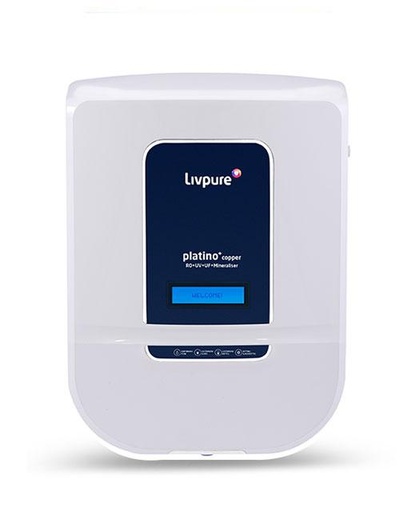
Livpure Platino Plus Copper
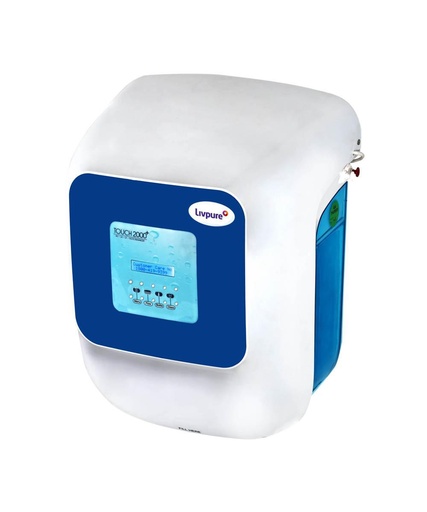
Livpure Touch2000
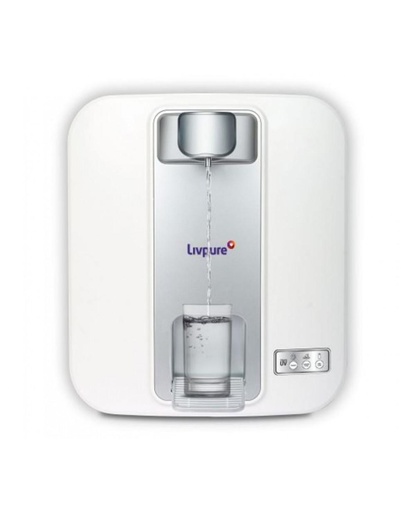
Livpure Touch UV
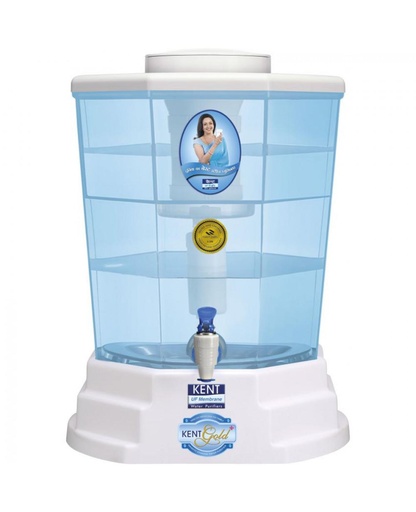
Kent Gold Plus
Frequently asked questions
What is the water purifier price in Nepal?
At Quality Computer on 7 November 2026, our in-stock water purifiers cost Rs 4,800 (Livpure Brahma gravity filter) to Rs 34,000 (Livpure UTC Neon Plus under-counter RO). RO models start at Rs 20,400.
Which is better, RO or UV?
Neither is better on its own. RO lowers TDS and reduces dissolved contaminants such as arsenic, while UV only kills germs. For low-TDS city water UV is enough; for high-TDS or groundwater, buy RO with UV.
Do I need an RO purifier for KUKL tap water?
Only if your TDS reading is high. In 2024 Lalitpur's Health Office found faecal bacteria in drinking water samples from around the district, and KUKL says water can pick up germs on the way to your tap. UV deals with that. Measure the TDS at your own tap before you decide.
What TDS is good for drinking water?
The WHO rates water under 300 mg/L as excellent in taste and 300 to 600 mg/L as good, and Nepal's standard allows up to 1,000 mg/L. TDS is not a safety test, though: it can't show germs or arsenic.
Is a copper water purifier worth it?
Only as a bonus. A copper cartridge adds a little copper after purification; it does not clean the water. Choose the purifier that suits your water first, then decide whether you want copper.
How often should I change the filters?
Go by the litre rating rather than the calendar. Our Kent Gold Plus listing gives about 4,000 litres for the UF membrane and our Livpure Touch UV listing up to 6,000 litres. A replacement Livpure sediment filter costs Rs 1,250 at our store.
Sources
- National Drinking Water Quality Standards, Government of Nepal, Ministry of Physical Planning and Works, 2005 (via FAOLEX)
- Total dissolved solids in drinking-water, World Health Organization, 2003
- Arsenic fact sheet, World Health Organization, 7 December 2022
- Copper in drinking-water, World Health Organization, 2004
- Domestic water quantity, service level and health, second edition, World Health Organization, 2020
- Domestic water quantity, service level and health, Howard and Bartram, World Health Organization, 2003
- About water treatment options when hiking, camping or traveling, US Centers for Disease Control and Prevention, 30 January 2025
- Point-of-use reverse osmosis systems, US Environmental Protection Agency WaterSense, updated 21 August 2026
- Reverse osmosis to remove arsenic from drinking water, Government of Nova Scotia
- Total dissolved solids: guideline technical document, Health Canada
- Home water treatment facts, Minnesota Department of Health, 15 August 2024
- Nearly 60 percent of drinking water in Lalitpur district contaminated with deadly microbes, The Kathmandu Post, 10 August 2024
- Poor quality of treated water in Kathmandu: comparison with Nepal Drinking Water Quality Standards, Maharjan, Joshi and Shrestha, Tribhuvan University Journal of Microbiology, 2018
- Proceeding report of the National Consultative Workshop on Detection, Management and Surveillance of Arsenicosis Cases in Nepal, Nepal Health Research Council, 2009
- Seasonal variation of arsenic concentration in ground water of Nawalparasi district of Nepal, Shrestha, Regmi and Kafle, International Journal of Applied Sciences and Biotechnology, 2014
- High iron content in drinking water cause for concern in Kankai Municipality, The Kathmandu Post, 23 July 2019
- Variation of iron in groundwater and its impact on human health in Dhangadhi area, Upadhyaya and Rijal, Journal of Nepal Geological Society, 2025
- KENT Gold Plus, KENT RO Systems
- Platino+ Copper water purifier, Livpure
- Purifier specs marked "our listing": Quality Computer product listings, 7 November 2026.
QC prices: qualitycomputer.com.np, 7 November 2026.